
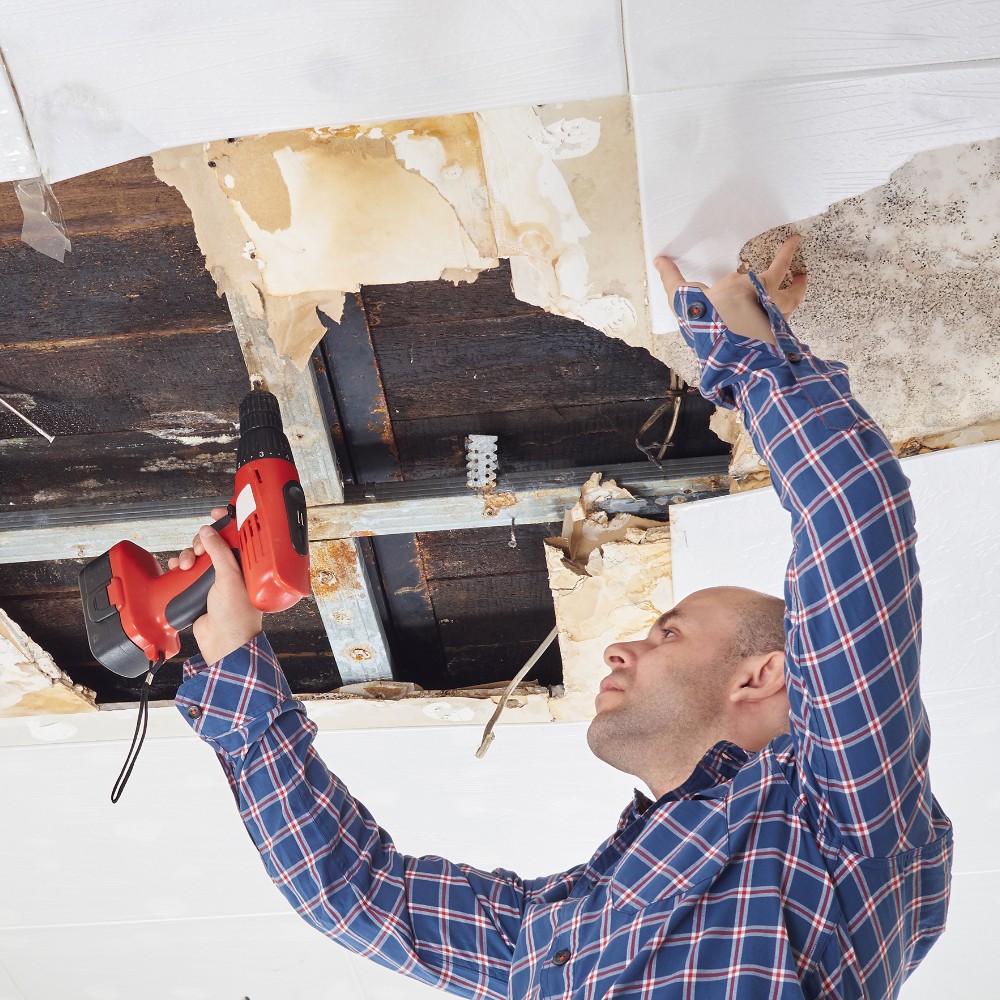
Water damage can strike when you least expect it, leaving homeowners overwhelmed, stressed, and unsure of what to do next. Whether the cause is a burst pipe, heavy rainfall, appliance failure, or sewage backup, the key to minimizing destruction is having a clear recovery plan. A structured approach not only ensures faster restoration but also prevents long-term complications such as mold growth, structural weakening, and contamination. This comprehensive guide provides a step-by-step plan to help you navigate the restoration process efficiently and safely Water Damage Restoration.
Understanding the Situation and Ensuring Safety
Before any cleanup or restoration begins, your first priority is safety. Water-damaged areas can hide dangers such as electrical hazards, contaminated water, slippery floors, and compromised structures. Start by turning off electricity in affected zones to avoid shocks. If the water source is contaminated, such as floodwater or sewage, stay clear until professionals assess the risks. Wear protective gear including gloves, boots, and masks before entering the area. The type of water involved plays a major role in how you handle the situation. Clean water from broken pipes poses far fewer risks than greywater from appliances or blackwater from sewage and flooding. Proper identification helps determine the right restoration procedures.
Stopping the Source of Water
Once the situation is secure, focus on stopping the water source. If the issue stems from a plumbing failure, shut off the main water supply. For roof leaks or storm-related flooding, temporary measures such as tarps or sandbags can help prevent further damage. The faster the water inflow is controlled, the easier and more effective the restoration process becomes. Addressing the source quickly also lowers the risk of mold growth, which can begin within 24 to 48 hours.
Documenting the Damage for Insurance
Before removing water or beginning repairs, take detailed photos and videos of all affected areas. Documentation is essential for insurance claims and ensures you receive accurate compensation. Capture damage to walls, floors, personal belongings, furniture, and structural components. Keep a written list of affected items and any expenses related to temporary repairs or emergency services. This step supports a smooth communication process with your insurance provider and helps verify the extent of your restoration needs.
Extracting Standing Water
Standing water must be removed as quickly as possible to prevent deterioration. Depending on the severity, you may use buckets, pumps, wet vacuums, or professional extraction equipment. Larger or more severe flooding typically requires expert assistance, as professionals use high-capacity tools to remove water fast. Eliminating standing water lays the foundation for the rest of the restoration process because it reduces moisture levels and prevents secondary damage.
Removing Wet Materials
Materials such as carpets, drywall, insulation, and furniture can absorb large amounts of moisture. If these items stay wet for too long, mold will develop, and structural damage may worsen. Remove waterlogged materials promptly. Carpets and padding often need full replacement after severe flooding, while drywall may require cutting out the damaged sections. Salvageable items should be cleaned and dried immediately. This stage of restoration helps prevent contamination and speeds up the drying process.
Drying and Dehumidifying the Area
Even after visible water is removed, moisture lingers inside walls, floors, and air. Industrial-grade fans, dehumidifiers, and air movers are essential tools for drying out a property. Open windows when outdoor conditions are suitable to increase air circulation. Professionals use moisture meters to assess hidden wet areas and ensure the environment is thoroughly dried. Proper drying is one of the most critical parts of restoration, as missed moisture can lead to mold colonies, foul odors, and weakened building materials.
Cleaning and Disinfecting Surfaces
Flooding and water damage often bring dirt, bacteria, and contaminants into the home. Once the area is dry, thorough cleaning and disinfection are necessary. Use antimicrobial and deodorizing solutions to sanitize walls, floors, and remaining materials. Pay special attention to areas exposed to sewage or outdoor floodwater. This step ensures that your living environment becomes safe again and supports long-term health. Effective cleaning is a core element of any restoration strategy.
Assessing Structural Damage
After cleanup, evaluate the structure’s integrity. Water can weaken foundations, compromise beams, rot wood, and damage electrical systems. Inspect walls, ceilings, floors, and support structures for signs of warping, staining, or cracking. Electrical systems should be checked by licensed professionals to ensure safety before restoring power. Structural assessments help determine which repairs are essential for restoring stability and preventing future issues.
Repairing and Rebuilding
Once assessments are complete, the repair and rebuilding stage begins. This may include replacing drywall, installing new flooring, repairing insulation, repainting, and restoring electrical and plumbing systems. Depending on the severity of damage, restoration can involve minor repairs or large-scale reconstruction. This step is your opportunity to upgrade materials with more water-resistant alternatives and improve the home’s resilience against future water events.
Preventing Future Water Damage
A successful restoration plan not only focuses on recovery but also includes preventive measures. Install sump pumps, improve drainage systems, maintain gutters, and seal vulnerable entry points. Regularly inspect plumbing systems and replace aging pipes or appliances. Consider installing water leak detectors for early alerts. These measures help reduce the likelihood of repeating water damage incidents and provide peace of mind.
Working With Restoration Professionals
While some homeowners choose to handle minor issues themselves, professional restoration companies offer expertise, specialized equipment, and faster turnaround times. Certified technicians understand water categories, moisture levels, structural impacts, and safety protocols. They follow industry standards to ensure the best possible outcome. Hiring professionals can make the entire recovery process more efficient and less stressful.
Final Inspection and Return to Normal
Once repairs and restoration are complete, conduct a final inspection to ensure everything meets safety and quality standards. Check for lingering moisture, mold risks, and proper functioning of electrical and plumbing systems. When you’re confident the home is fully restored, you can begin returning furniture, decorations, and personal items.
A step-by-step recovery plan brings structure to a stressful situation. With proper preparation, quick action, and a focus on restoration, homeowners can recover from water damage more effectively, protect their health, and preserve their property for years to come.