
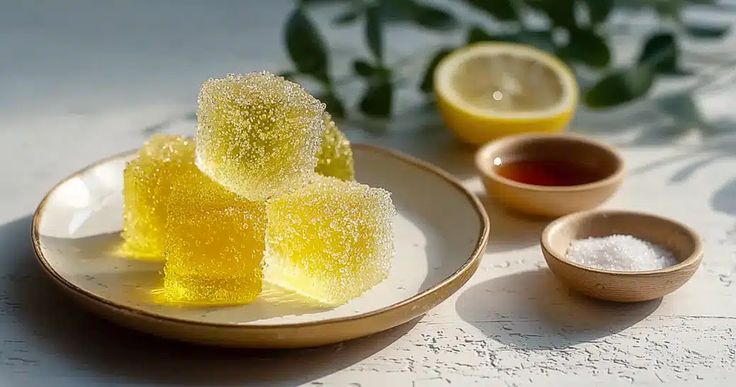
Cooking and baking are as much science as they are art, and small techniques often make the biggest difference. One such technique that has quietly transformed countless recipes is the gelatin trick. From silky desserts to perfectly set savory dishes, this simple method can elevate your results from average to professional-level. Understanding how gelatin works and how to apply it correctly can unlock consistency, texture, and visual appeal in your recipes.
This guide explores the science behind gelatin, how the gelatin trick works, and how you can apply it confidently across a wide range of dishes.
Understanding Gelatin and Its Role in Cooking
Gelatin is a natural protein derived from collagen, commonly sourced from animal bones and connective tissues. When dissolved in liquid and allowed to cool, it forms a delicate network that traps moisture, creating structure without stiffness.
What makes gelatin so valuable is its versatility. It can stabilize foams, thicken liquids, improve mouthfeel, and enhance presentation. The gelatin trick isn’t about simply adding gelatin to a recipe; it’s about knowing when, how, and why to use it for the best possible outcome.
Why Texture Matters in Recipes
Texture plays a critical role in how food is perceived. A dessert that looks perfect but feels grainy or rubbery will disappoint instantly. Likewise, sauces that separate or dishes that collapse lack visual appeal.
The gelatin trick helps solve these issues by adding controlled structure. When used correctly, gelatin creates a smooth, melt-in-the-mouth texture that feels luxurious rather than heavy.
What Exactly Is the Gelatin Trick?
At its core, the gelatin trick involves blooming gelatin properly and incorporating it at the right temperature. Blooming means hydrating gelatin in cold liquid before dissolving it into a warm mixture. This step ensures even distribution and prevents clumps.
Many cooking failures happen because gelatin is added directly to hot liquid or not fully dissolved. The gelatin trick prevents these common mistakes and guarantees reliable results every time.
The Science Behind Blooming Gelatin
When gelatin granules absorb cold liquid, they swell and soften. This process allows them to dissolve evenly once heat is applied. Skipping this step often leads to uneven setting or gritty textures.
Using the gelatin trick ensures that gelatin integrates smoothly, creating a consistent gel structure throughout the dish.
How to Use the Gelatin Trick Step by Step
Mastering this technique requires attention to detail, but it’s simple once you understand the process.
Blooming the Gelatin Correctly
Start by sprinkling gelatin evenly over cold water or another liquid. Let it sit undisturbed for five to ten minutes. The gelatin should absorb the liquid and form a spongy mass.
Avoid stirring during this stage, as it can cause clumping and uneven hydration.
Dissolving Without Overheating
Once bloomed, gently heat the gelatin mixture until fully dissolved. This can be done by adding it to a warm liquid or placing it over low heat. The key is never to boil gelatin, as high heat breaks down its structure and weakens its setting power.
This is a crucial part of the gelatin trick and one that many cooks overlook.
Incorporating Gelatin into Recipes
After dissolving, gelatin should be mixed into the main recipe gradually. Stir continuously to ensure even distribution. If the base mixture is very cold, temper it first by adding a small amount to the gelatin before combining everything.
This gradual approach prevents sudden setting and maintains a smooth texture.
Applying the Gelatin Trick in Sweet Recipes
Gelatin is most commonly associated with desserts, and for good reason. It excels at creating delicate, refined textures.
Mousse, Cheesecake, and Panna Cotta
In airy desserts like mousse, the gelatin trick stabilizes whipped cream or egg foam without weighing it down. For no-bake cheesecakes, gelatin provides structure while preserving creaminess. In panna cotta, it creates that signature wobble that feels elegant and indulgent.
The secret is balance. Too much gelatin results in a firm, rubbery texture, while too little causes collapse. The gelatin trick helps you find that perfect middle ground.
Improving Frozen Desserts
Gelatin also enhances ice cream and semifreddo by reducing ice crystal formation. This leads to smoother textures and better mouthfeel, especially in homemade recipes without commercial stabilizers.
Using the Gelatin Trick in Savory Dishes
While often overlooked, gelatin is equally powerful in savory cooking.
Soups, Sauces, and Broths
Adding a small amount of gelatin to soups or sauces enhances body and richness without altering flavor. This is especially useful for vegetarian stocks that lack natural collagen.
The gelatin trick allows sauces to cling beautifully to food, improving both appearance and taste.
Terrines and Aspics
Classic savory preparations rely heavily on gelatin for structure. When applied properly, the gelatin trick ensures clean slices, glossy finishes, and stable presentation even at room temperature.
Common Mistakes to Avoid
Even a simple technique can fail if handled incorrectly.
One common mistake is using too much gelatin, which creates an unpleasant texture. Another is overheating, which destroys gelatin’s ability to set. Inaccurate measurements and uneven mixing can also lead to inconsistent results.
Following the gelatin trick carefully helps eliminate these issues and builds confidence in your cooking.
Tips for Perfect Results Every Time
Always measure gelatin accurately using a scale or standardized spoon. Choose high-quality gelatin for more reliable results. Pay attention to temperature differences when combining mixtures, and allow enough chilling time for full setting.
Practicing the gelatin trick across different recipes will help you understand how small adjustments affect the final outcome.
Why the Gelatin Trick Is a Game-Changer
What makes this technique so valuable is its adaptability. Once mastered, it can be applied across cuisines, cooking styles, and skill levels. Whether you’re preparing a simple dessert or an elaborate plated dish, the gelatin trick gives you control over texture and presentation.