
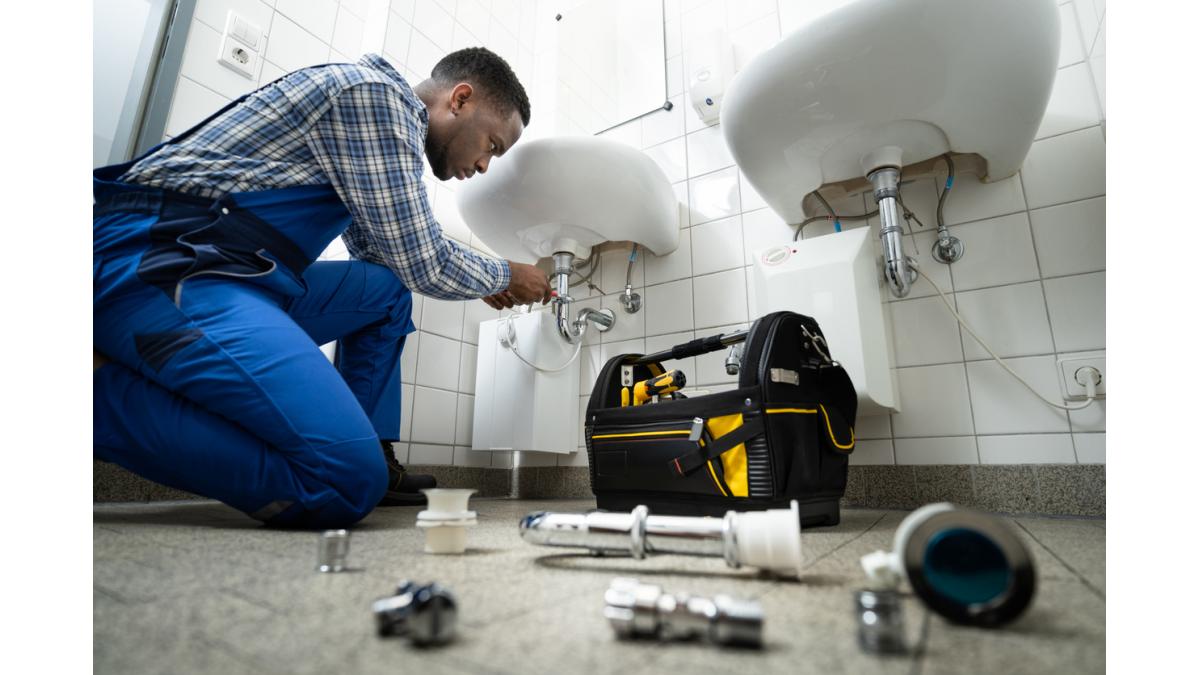
In today’s fast-paced world, the plumbing industry has seen a significant transformation, especially in cities like Los Angeles, where rapid urban growth demands efficient and reliable plumbing solutions. Modern LA emergency plumbing services have evolved far beyond traditional methods, embracing technology to provide faster, more accurate, and cost-effective solutions for residents and businesses alike. From advanced diagnostics to real-time communication, technology has become the backbone of contemporary emergency plumbing.
Advanced Diagnostics and Leak Detection
One of the most significant technological advancements in LA emergency plumbing is the development of sophisticated diagnostic tools. Traditional plumbing often relied on guesswork or invasive procedures to locate leaks or blockages. Today, plumbers use infrared cameras, ultrasonic leak detectors, and video inspection systems to pinpoint problems without unnecessary disruption to property.
Infrared cameras, for instance, allow emergency plumbers to detect hidden leaks behind walls or under floors by visualizing temperature variations caused by moisture. Ultrasonic sensors can detect the sound of water escaping from pipes, even in concealed areas. Video inspection systems, often equipped with high-definition cameras attached to flexible cables, enable plumbers to navigate the intricate piping of homes and commercial buildings to locate blockages or damage efficiently. These tools not only save time but also minimize damage, making LA emergency plumbing services more precise and less invasive.
Smart Plumbing and IoT Integration
The rise of smart home technology has also influenced LA emergency plumbing services. Internet of Things (IoT) devices, such as smart water meters, leak detectors, and automated shut-off valves, are now increasingly integrated into residential and commercial plumbing systems. These devices monitor water usage, detect anomalies, and alert homeowners or building managers in real-time about potential issues.
For example, a smart leak detector can immediately notify a property owner via a smartphone app if it senses unusual water flow, preventing a minor leak from turning into a costly disaster. In emergency situations, this early detection can drastically reduce water damage and repair costs, allowing LA emergency plumbing teams to respond faster and more effectively. The integration of IoT into plumbing systems represents a proactive approach, shifting the industry from reactive repairs to preventative maintenance.
Mobile Technology and Real-Time Communication
Efficient communication is crucial in emergency plumbing scenarios, where every minute counts. Mobile technology has revolutionized how LA emergency plumbing services interact with clients and manage their operations. Modern plumbing companies utilize mobile apps and GPS tracking to coordinate their teams, ensuring that the nearest available plumber reaches the emergency site promptly.
Customers can now schedule services, track technician arrival times, and even communicate directly with plumbers via real-time messaging platforms. This level of transparency not only improves customer satisfaction but also enhances operational efficiency. In emergencies, the ability to relay information quickly and accurately can make a significant difference in reducing damage and restoring functionality.
Automated Tools and Equipment
Technology has also transformed the tools and equipment used in LA emergency plumbing. Automated pipe inspection robots, hydro jetting machines, and advanced pipe repair technologies allow plumbers to tackle complex problems more effectively than ever before.
Hydro jetting machines, for example, use high-pressure water streams to clear stubborn blockages in sewer and drain lines, eliminating the need for chemical cleaners that can damage pipes and the environment. Automated inspection robots can navigate through narrow or obstructed pipes, capturing detailed imagery and identifying issues that may not be visible through traditional methods. These innovations empower emergency plumbing teams to deliver faster, safer, and more reliable services.
Cloud-Based Management Systems
Modern LA emergency plumbing companies also rely on cloud-based management systems to streamline their operations. These systems provide a centralized platform for scheduling, invoicing, customer relationship management, and inventory tracking. By leveraging cloud technology, plumbing companies can ensure that resources are optimally allocated, reducing downtime and improving response times during emergencies.
Cloud-based platforms also allow for better record-keeping and data analysis. Plumbers can track recurring issues, predict potential system failures, and implement preventive strategies based on historical data. This data-driven approach enhances the quality of emergency plumbing services, making them more strategic and efficient.
Environmentally Friendly Solutions
Technology in plumbing is not just about efficiency; it also contributes to sustainability. Modern LA emergency plumbing services incorporate eco-friendly solutions that reduce water waste and energy consumption. Smart water-saving fixtures, leak detection systems, and high-efficiency pumps help conserve resources while maintaining performance.
Advanced pipe materials and installation techniques also minimize the risk of future leaks, reducing the environmental impact of frequent repairs. As cities like Los Angeles continue to face water scarcity concerns, adopting environmentally responsible plumbing technology has become an essential aspect of emergency services.
Training and Knowledge Enhancement Through Technology
The role of technology in LA emergency plumbing extends to training and skill development. Virtual reality (VR) simulations, online courses, and digital manuals allow plumbers to stay updated with the latest techniques and safety standards. By practicing in simulated environments, emergency plumbers can develop expertise in handling complex situations without risking property damage or personal safety.
Continuous learning through technological platforms ensures that plumbing teams remain proficient and capable of providing high-quality emergency services. This commitment to ongoing education benefits both the workforce and the clients who rely on them during critical situations.
Future Trends in Emergency Plumbing
Looking ahead, the future of LA emergency plumbing will likely be shaped by artificial intelligence (AI) and machine learning. AI-powered predictive maintenance systems can analyze data from sensors and historical repairs to anticipate plumbing failures before they occur. This proactive approach could transform emergency plumbing from reactive intervention to predictive management, minimizing disruptions and costs for homeowners and businesses.
Robotics and automated repair systems are also expected to play a larger role, enabling plumbers to perform intricate repairs with minimal human intervention. As technology continues to advance, emergency plumbing services in Los Angeles will become faster, smarter, and more reliable, setting a new standard for urban infrastructure management.
Conclusion
The integration of technology has revolutionized LA emergency plumbing, making it more precise, efficient, and customer-focused. From advanced diagnostics and smart IoT devices to mobile communication and automated tools, technology empowers plumbing professionals to deliver exceptional services even in urgent situations. Cloud-based management systems, eco-friendly solutions, and continuous training further enhance operational efficiency and service quality. As AI, robotics, and predictive maintenance become more prevalent, emergency plumbing in Los Angeles will continue to evolve, providing residents and businesses with faster, safer, and more reliable solutions than ever before.
Technology is no longer an optional enhancement for LA emergency plumbing services—it is the cornerstone that ensures timely response, effective repairs, and a proactive approach to managing plumbing emergencies in the modern urban landscape.