
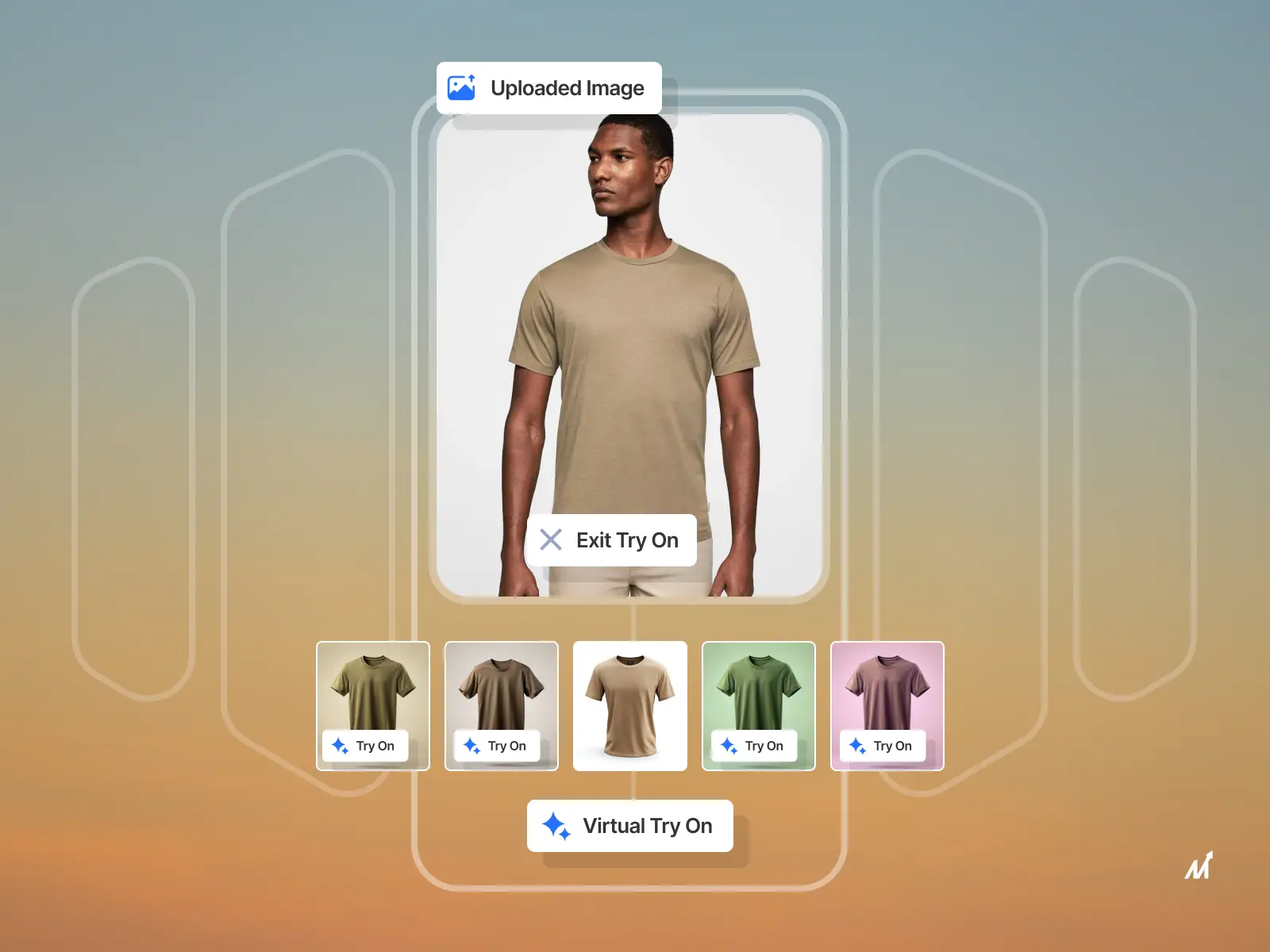
The way people shop for clothes has been evolving rapidly over the past decade. The rise of online shopping has offered convenience and accessibility, but it has also created challenges for consumers who want to see, feel, and try on clothing before making a purchase. This gap between virtual browsing and physical fitting has long been a barrier to fully embracing online fashion retail. However, with the advent of AI clothes try on technology, this gap is rapidly closing, revolutionizing how consumers interact with apparel online.
Understanding AI Clothes Try-On Technology
AI clothes try on is a sophisticated technology that uses artificial intelligence, machine learning, and augmented reality to allow consumers to virtually try on clothing. By leveraging computer vision, 3D modeling, and real-time simulation, AI clothes try on creates a realistic visualization of how garments will look and fit on an individual’s body. This technology can account for body measurements, fabric drape, and even movement, offering a near-accurate representation of wearing the clothes in real life.
At the core of AI clothes try on systems are algorithms that analyze a user’s photo or live video feed. The software then maps the clothing item onto the user’s body, adjusting for proportions, posture, and style preferences. Advanced AI models can simulate fabric textures, patterns, and colors, allowing consumers to see exactly how a dress, jacket, or pair of pants will appear. This goes beyond simple overlay apps, creating an interactive, immersive shopping experience that feels more like a real fitting room.
Benefits for Consumers
AI clothes try on technology offers numerous benefits for shoppers. One of the most significant advantages is convenience. Consumers no longer need to visit multiple stores or spend time in crowded fitting rooms. Instead, they can try on a wide range of apparel from the comfort of their home using a smartphone, tablet, or computer.
Another key benefit is personalization. AI clothes try on can recommend sizes, styles, and colors based on an individual’s body shape, preferences, and past purchases. This personalized experience not only helps consumers find clothing that suits them better but also reduces the frustration of ordering multiple sizes or styles and dealing with returns.
Moreover, AI clothes try on enhances confidence in purchasing decisions. Many online shoppers hesitate to buy clothing because they are unsure how it will fit. With virtual try-on, consumers can see the outfit on their own virtual avatar or live image, making them more likely to make informed and confident choices. This technology also allows users to experiment with bold fashion choices, try different combinations, and explore new trends without any risk.
Transforming the Retail Industry
The rise of AI clothes try on is not only beneficial for consumers but also transformative for retailers. High return rates have been a persistent issue in e-commerce, with ill-fitting clothes being a leading cause. By providing a virtual try-on experience, retailers can significantly reduce returns, saving costs associated with shipping, restocking, and handling.
Additionally, AI clothes try on can drive customer engagement and brand loyalty. Shoppers are more likely to return to an online store that offers interactive, immersive experiences. Retailers can also leverage AI try-on technology to gather data about customer preferences and behavior, which can inform inventory planning, marketing strategies, and personalized recommendations.
AI clothes try on also opens new opportunities for omnichannel retail. Stores can integrate virtual fitting rooms in physical locations or offer hybrid experiences where online shoppers can schedule virtual consultations with fashion experts. This convergence of digital and physical retail creates a seamless shopping journey, meeting the evolving expectations of modern consumers.
Challenges and Limitations
Despite its promise, AI clothes try on technology faces several challenges. One of the main hurdles is achieving perfect realism. Accurately simulating how different fabrics behave, how clothing fits various body types, and how colors appear under different lighting conditions is technically complex. Although AI models are improving rapidly, some consumers may still notice discrepancies between virtual try-on and actual fit.
Privacy concerns are another consideration. AI clothes try on often requires personal images, videos, or body measurements. Retailers must ensure that they handle this data securely and transparently to maintain consumer trust.
Additionally, the cost of implementing advanced AI try-on systems can be high, making it challenging for smaller retailers to adopt the technology. However, as AI solutions become more accessible and scalable, it is expected that adoption will broaden across the fashion industry.
Future Prospects
The future of AI clothes try on is incredibly promising. As AI algorithms continue to improve, virtual try-on experiences will become even more accurate and lifelike. Integration with emerging technologies such as virtual reality (VR) and metaverse platforms could allow consumers to explore virtual showrooms, interact with digital avatars, and shop in fully immersive environments.
Moreover, AI clothes try on can support sustainable fashion practices. By reducing returns and enabling consumers to make better-informed purchases, the technology helps minimize waste and environmental impact. Retailers can also use AI to produce limited quantities of clothing tailored to predicted demand, further enhancing sustainability.
AI clothes try on is also likely to expand beyond clothing into accessories, footwear, and even makeup, creating a comprehensive virtual shopping ecosystem. As brands continue to innovate, consumers can expect an increasingly seamless blend of digital and physical retail experiences, making online shopping more convenient, personalized, and enjoyable than ever before.
Conclusion
AI clothes try on is redefining the way people shop for fashion. By bridging the gap between virtual and physical experiences, it empowers consumers to make confident, informed decisions while offering retailers opportunities to enhance engagement, reduce returns, and innovate in the digital space. The technology represents a major step forward in the evolution of e-commerce, combining convenience, personalization, and interactivity to create a shopping experience that was once only possible in physical stores. As AI continues to advance, the distinction between virtual and real-world shopping will become increasingly blurred, transforming the fashion industry and shaping the future of consumer retail.