
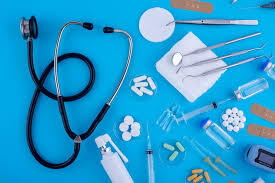
Medical equipment plays a critical role in modern healthcare, supporting diagnosis, treatment, monitoring, and patient recovery. From simple thermometers to advanced imaging systems, these devices directly affect patient outcomes. Because of this, strict safety standards govern how medical equipment is designed, manufactured, tested, maintained, and used. Understanding these standards is essential for healthcare providers, facility managers, biomedical engineers, and even procurement teams to ensure patient safety, regulatory compliance, and operational efficiency.
Why Safety Standards Matter
Safety standards exist to reduce risks associated with medical equipment. Improperly designed or poorly maintained devices can lead to inaccurate diagnoses, treatment errors, electrical hazards, infections, or even life-threatening failures. In high-risk environments such as operating rooms and intensive care units, equipment reliability is not optional—it is vital.
Standards help ensure that devices:
- Perform as intended under normal and emergency conditions
- Do not pose electrical, mechanical, or biological hazards
- Maintain accuracy and calibration over time
- Are compatible with other systems in clinical settings
- Protect both patients and healthcare workers
By following recognized safety frameworks, healthcare facilities also reduce legal liability and improve accreditation outcomes.
Key Regulatory Bodies and Standards
Different countries have their own regulatory systems, but many safety principles are globally aligned. Some widely recognized frameworks influence medical equipment safety worldwide.
International Standards
The International Electrotechnical Commission (IEC) develops widely used standards for electrical and electronic medical equipment. The IEC 60601 series is one of the most important, covering electrical safety, electromagnetic compatibility, and essential performance requirements.
The International Organization for Standardization (ISO) provides standards related to quality management and risk management. ISO 13485 focuses on quality management systems for medical device manufacturers, while ISO 14971 outlines risk management processes.
National Regulatory Authorities
Each country enforces its own regulations for approval and monitoring of medical equipment. These authorities typically evaluate safety, performance, labeling, and post-market surveillance. Compliance is mandatory before devices can be legally marketed or used in clinical environments.
Healthcare facilities must ensure that all procured equipment carries appropriate certifications and approvals relevant to their jurisdiction.
Core Safety Requirements for Medical Equipment
Safety standards for medical equipment cover multiple dimensions. Understanding these core areas helps organizations implement effective compliance programs.
Electrical Safety
Many medical devices operate using electrical power, creating potential risks such as shock, burns, or fire. Safety standards require:
- Proper grounding and insulation
- Leakage current limits
- Protection against power surges
- Safe battery operation for portable devices
Routine electrical safety testing is essential, especially in high-humidity environments or where equipment is frequently moved.
Mechanical Safety
Devices with moving parts—such as hospital beds, infusion pumps, and imaging machines—must be designed to prevent physical injury. Requirements include:
- Stable structures to prevent tipping
- Guarded moving components
- Emergency stop mechanisms
- Weight and load testing
Mechanical failure can harm both patients and staff, so preventive maintenance is critical.
Biological and Infection Control Safety
Medical equipment that comes into contact with patients must be made of biocompatible materials and designed for proper cleaning and sterilization. Poorly designed devices can become sources of hospital-acquired infections.
Safety protocols include:
- Use of non-toxic, hypoallergenic materials
- Smooth surfaces that allow effective disinfection
- Clear reprocessing instructions
- Single-use labeling where applicable
Infection control teams must collaborate with biomedical departments to ensure compliance.
Performance and Accuracy
Diagnostic and monitoring devices must deliver precise and consistent results. Inaccurate readings from equipment such as blood pressure monitors, ventilators, or laboratory analyzers can lead to incorrect clinical decisions.
Standards require:
- Calibration at defined intervals
- Performance verification tests
- Alarm accuracy and reliability
- Software validation for digital systems
Documentation of calibration and testing is essential for audits and accreditation.
Electromagnetic Compatibility
Modern healthcare environments contain numerous electronic devices operating simultaneously. Medical equipment must function correctly without being affected by electromagnetic interference (EMI) and must not emit interference that disrupts other devices.
This is especially important for life-support systems, imaging equipment, and wireless monitoring technologies.
Risk Management in Medical Equipment
Risk management is a continuous process, not a one-time activity. It begins during procurement and continues throughout the lifecycle of medical equipment.
Key steps include:
- Hazard identification
- Risk analysis and evaluation
- Implementation of control measures
- Monitoring and review
Healthcare facilities should maintain risk management files for critical equipment, documenting potential hazards and mitigation strategies.
Importance of Preventive Maintenance
Even the safest device can become dangerous if not properly maintained. Preventive maintenance ensures that medical equipment continues to operate within safe performance limits.
A comprehensive maintenance program should include:
- Scheduled inspections and servicing
- Calibration of measurement devices
- Replacement of worn or damaged parts
- Software updates and cybersecurity checks
- Maintenance logs for each device
Using computerized maintenance management systems (CMMS) helps track service history and schedule future tasks.
User Training and Competency
Human error is a major factor in equipment-related incidents. Even perfectly designed medical equipment can cause harm if used incorrectly.
Healthcare organizations must ensure:
- Initial training before staff use new devices
- Periodic refresher training
- Competency assessments
- Easy access to user manuals and quick-reference guides
Simulation-based training is particularly effective for complex equipment such as ventilators and defibrillators.
Procurement and Acceptance Testing
Safety begins at the purchasing stage. Selecting the right medical equipment requires careful evaluation of technical specifications, certifications, and compatibility with existing systems.
Acceptance testing should be performed when new equipment arrives. This process verifies that the device:
- Meets manufacturer specifications
- Is free from shipping damage
- Functions correctly in the clinical environment
- Integrates with hospital infrastructure
Only after successful testing should equipment be released for patient use.
Documentation and Traceability
Accurate documentation is a cornerstone of safety compliance. Every piece of medical equipment should have a complete record that includes:
- Purchase and warranty details
- Risk classification
- Maintenance and calibration history
- Incident reports
- Decommissioning information
Traceability is especially important for devices involved in adverse events or recalls.
Incident Reporting and Post-Market Surveillance
Despite best efforts, equipment failures and near misses can occur. A strong incident reporting system helps identify trends and prevent recurrence.
Healthcare facilities should:
- Encourage non-punitive reporting
- Investigate root causes
- Implement corrective and preventive actions
- Share lessons learned with relevant departments
Regulatory bodies often require reporting of serious device-related incidents, contributing to broader post-market safety monitoring.
Cybersecurity Considerations
Many modern medical equipment systems are connected to networks and store patient data. This introduces cybersecurity risks that can affect both safety and privacy.
Key measures include:
- Regular software updates and patches
- Secure network configurations
- Access controls and authentication
- Monitoring for unauthorized access
Cybersecurity is now considered an integral part of medical device safety standards.
Decommissioning and Disposal
When medical equipment reaches the end of its lifecycle, safe decommissioning is necessary. Improper disposal can create environmental hazards and data security risks.
Best practices include:
- Data wiping for digital devices
- Removal of hazardous materials
- Compliance with environmental regulations
- Documentation of disposal
Replacing outdated equipment also reduces the risk of failure due to obsolescence.
Building a Culture of Safety
Compliance with standards is not only about regulations—it requires a culture that prioritizes patient safety. This involves collaboration among clinical staff, biomedical engineers, infection control teams, procurement officers, and administrators.
Leadership support, continuous training, regular audits, and clear policies help embed safety into daily operations.
Conclusion
Medical equipment safety standards are essential for protecting patients, healthcare workers, and organizations. They cover every stage of the equipment lifecycle, from design and procurement to maintenance, usage, and disposal. By adhering to recognized standards, implementing preventive maintenance, training users, and maintaining thorough documentation, healthcare facilities can significantly reduce risks and improve clinical outcomes.
As technology continues to evolve, the complexity of medical equipment will increase, making compliance even more critical. A proactive, system-based approach to safety ensures that these life-saving devices perform reliably when they are needed most.