
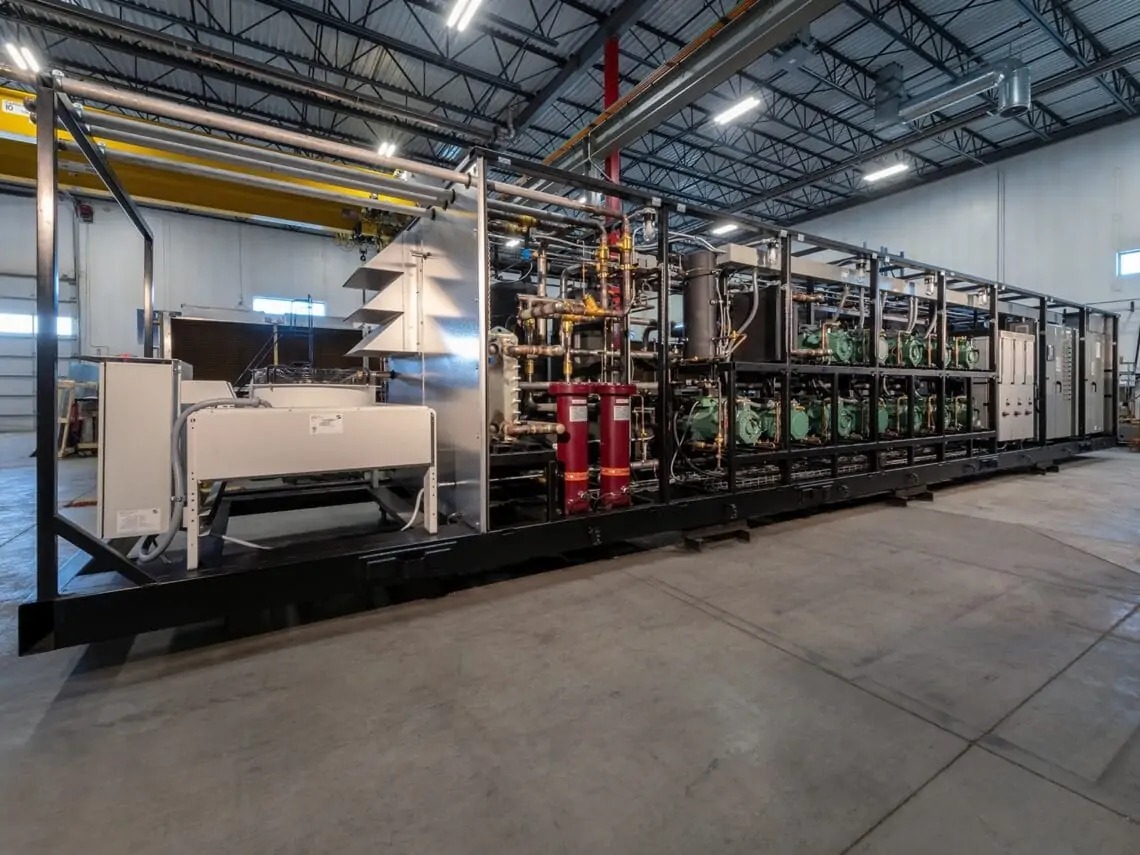
In recent years, the push for sustainability has transformed the way businesses operate, especially in sectors reliant on temperature-sensitive operations. Refrigeration plays a critical role in industries ranging from food and beverage to pharmaceuticals, and the type of refrigerant used can significantly affect environmental impact and operational efficiency. Many businesses have shifted toward refrigeration equipment with natural refrigerants, leveraging their low environmental footprint, high efficiency, and compliance with global regulations. This article explores several compelling case studies that illustrate how businesses have successfully adopted these eco-friendly solutions.
Reducing Carbon Footprint in the Retail Sector
A large European supermarket chain faced increasing pressure to reduce greenhouse gas emissions and meet environmental regulations. The company evaluated its existing refrigeration systems, which relied on synthetic refrigerants with high global warming potential (GWP). Transitioning to refrigeration equipment with natural refrigerants, such as CO₂ (R-744) and hydrocarbons like propane (R-290), proved to be a transformative move.
The chain retrofitted multiple stores with CO₂-based systems, which offered superior energy efficiency and significantly reduced emissions. One store reported a 40% decrease in energy consumption for refrigeration alone, translating into both financial savings and reduced carbon footprint. Customers responded positively to the chain’s commitment to sustainability, boosting brand reputation and loyalty. This case highlights how retailers can achieve environmental goals while simultaneously cutting operational costs.
Enhancing Efficiency in Cold Storage Facilities
Cold storage warehouses rely heavily on refrigeration to preserve perishable goods. A major logistics company operating several large-scale cold storage facilities in North America sought to improve system reliability and reduce environmental impact. The company transitioned to refrigeration equipment with natural refrigerants, focusing on ammonia (R-717) and CO₂ systems for different storage zones.
Ammonia was chosen for its high thermodynamic efficiency and low operating costs in large industrial setups, while CO₂ served for secondary cooling systems, providing precise temperature control. This dual approach resulted in a 25% improvement in overall energy efficiency and a marked decrease in maintenance issues compared to older synthetic-based systems. Furthermore, ammonia’s non-GWP nature ensured compliance with strict environmental regulations. By adopting natural refrigerants, the company not only reduced emissions but also improved operational performance.
Boosting Food Service Operations
A global chain of restaurants aimed to modernize its refrigeration infrastructure while maintaining food quality and reducing utility bills. The company implemented refrigeration equipment with natural refrigerants, specifically hydrocarbon-based solutions, in their kitchens and storage areas.
Hydrocarbon refrigerants, known for their low GWP and excellent energy efficiency in small to medium-sized applications, proved ideal for the chain. Restaurants reported faster cooling cycles, improved temperature consistency, and noticeable reductions in energy consumption. Maintenance staff also noted fewer system failures due to the simplicity and reliability of the natural refrigerant systems. This example demonstrates how food service operations can benefit from eco-friendly refrigeration, ensuring product quality while contributing to sustainability goals.
Innovating in the Beverage Industry
A craft beverage manufacturer specializing in beer and soft drinks faced challenges with high energy costs and environmental compliance. Their traditional refrigeration systems relied on HFCs, which were increasingly restricted under international agreements. By adopting refrigeration equipment with natural refrigerants such as CO₂ and ammonia, the company achieved multiple benefits.
CO₂ systems enabled precise temperature control in fermentation and storage processes, enhancing product consistency. Ammonia-based chillers improved energy efficiency in large-scale production areas. The manufacturer observed a 30% reduction in energy consumption and a significant drop in emissions, which aligned with their commitment to environmentally responsible production. The transition also enhanced the brand’s appeal to eco-conscious consumers, illustrating that sustainable practices can reinforce competitive advantage.
Supporting Pharmaceutical Supply Chains
Pharmaceutical companies face strict temperature control requirements, making refrigeration a critical component of their operations. A pharmaceutical distributor needed a solution that guaranteed precise cooling for sensitive medications while reducing environmental impact. Implementing refrigeration equipment with natural refrigerants, including CO₂-based cascade systems, allowed the distributor to maintain stable temperatures across multiple storage and transport facilities.
The CO₂ systems provided uniform cooling and rapid response to temperature fluctuations, ensuring product integrity. Additionally, the switch eliminated reliance on high-GWP HFCs, helping the company meet stringent regulatory standards. Operational cost savings were realized through improved energy efficiency and reduced refrigerant leaks. This case illustrates how natural refrigerants can support both environmental stewardship and rigorous industry requirements in highly regulated sectors.
Achieving Sustainability in Hospitality
Hotels and resorts often operate extensive refrigeration systems for food storage, guest services, and HVAC applications. A luxury resort group sought to reduce its environmental footprint and operational costs by transitioning to natural refrigerants. They implemented hydrocarbon-based refrigeration equipment in smaller cold storage units and CO₂ systems in larger central chillers.
The results were impressive: energy consumption for refrigeration dropped by 20%, maintenance incidents decreased, and the resort achieved significant reductions in greenhouse gas emissions. Guest satisfaction improved as visitors increasingly appreciated the resort’s visible sustainability initiatives. This case demonstrates that even hospitality businesses, often overlooked in discussions of industrial refrigeration, can benefit from natural refrigerants both environmentally and economically.
Overcoming Challenges in Implementation
While the benefits of refrigeration equipment with natural refrigerants are clear, some businesses face challenges during adoption. Initial investment costs can be higher than traditional systems, and staff may require training to handle new refrigerants safely. However, many case studies reveal that the long-term energy savings, reduced environmental impact, and regulatory compliance often outweigh these initial hurdles. Strategic planning, careful selection of refrigerants for specific applications, and engagement with experienced installation partners are key factors for success.
Conclusion
The adoption of refrigeration equipment with natural refrigerants is no longer a niche choice but a strategic move embraced by diverse industries. Case studies from retail, cold storage, food service, beverage manufacturing, pharmaceuticals, and hospitality illustrate clear advantages: improved energy efficiency, reduced carbon footprint, enhanced operational reliability, and strengthened brand reputation.
Businesses that have made the switch often experience tangible financial benefits alongside environmental gains, proving that sustainability and profitability can coexist. As global regulations continue to tighten around synthetic refrigerants, the examples highlighted here provide a roadmap for companies seeking to modernize their refrigeration systems responsibly. Refrigeration equipment with natural refrigerants not only supports environmental stewardship but also offers a competitive edge in an increasingly eco-conscious market.
These real-world cases underscore a growing trend: adopting natural refrigerants is not just about compliance; it’s about innovation, efficiency, and aligning business operations with the global imperative to reduce environmental impact. Companies that embrace this shift are setting new standards for responsible, forward-thinking business practices.
The evidence is compelling—refrigeration equipment with natural refrigerants is transforming industries, delivering operational improvements, and shaping a sustainable future for businesses worldwide.