
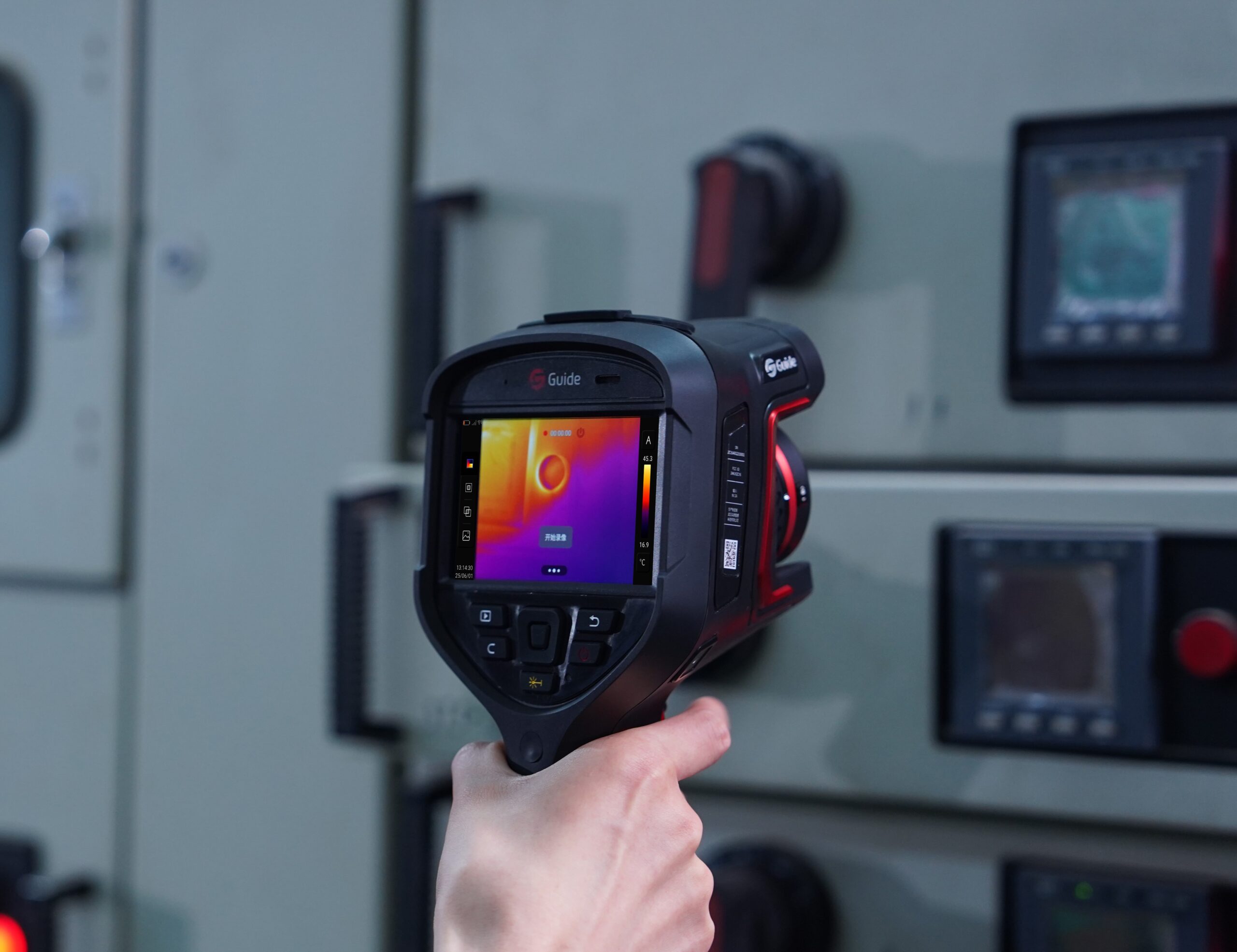
In today’s fast-paced industrial and security environments, safety and efficiency are paramount. Organizations continually seek technologies that not only safeguard personnel but also optimize operational performance. Among the most transformative tools in recent years is the high sensitivity thermal imaging camera. This advanced device provides unparalleled visibility, even in complete darkness or adverse conditions, offering benefits across a wide range of industries.
Understanding High Sensitivity Thermal Imaging Cameras
A high sensitivity thermal imaging camera is designed to detect minute differences in temperature and convert them into visible images. Unlike conventional cameras that rely on light, thermal imaging cameras detect infrared radiation emitted by objects. The “high sensitivity” aspect means these cameras can detect even subtle temperature variations, often as small as 0.01°C. This capability is crucial in environments where precision and early detection can prevent accidents or equipment failures.
These cameras are commonly used in industrial settings, firefighting, security, medical diagnostics, and even wildlife monitoring. Their ability to operate in complete darkness, through smoke, fog, or dust, makes them indispensable for any scenario where visibility is compromised.
Enhancing Safety in Industrial Operations
Safety is a top priority in industries such as manufacturing, oil and gas, and electrical utilities. Equipment failures, overheating machinery, or unnoticed hot spots can lead to catastrophic incidents. By employing a high sensitivity thermal imaging camera, companies can identify potential risks before they escalate.
For example, electrical systems generate heat when overloaded or when connections are loose. Thermal imaging cameras can detect abnormal heat patterns, allowing maintenance teams to intervene proactively. Similarly, in manufacturing plants, machinery components that are overheating can be quickly identified and serviced. This early detection not only prevents accidents but also reduces downtime, contributing to overall efficiency.
Improving Firefighting and Emergency Response
Firefighters and emergency responders face some of the most dangerous working conditions. Smoke, darkness, and extreme heat make it difficult to locate victims or identify fire sources. A high sensitivity thermal imaging camera is a game-changer in these scenarios.
These cameras allow responders to see through smoke, identify hotspots, and navigate hazardous environments safely. For instance, during a building fire, a thermal camera can pinpoint areas with the highest heat concentration, enabling firefighters to prioritize their efforts. Additionally, search and rescue operations become significantly safer, as the camera can detect human body heat, even if the person is obscured by debris or vegetation.
Enhancing Security and Surveillance
Security is another area where a high sensitivity thermal imaging camera proves invaluable. Traditional CCTV cameras are limited by lighting conditions and can be rendered ineffective at night. Thermal imaging cameras, however, do not rely on visible light and can detect intruders in complete darkness.
High sensitivity thermal cameras provide detailed heat signatures, making it easier to identify unauthorized personnel or suspicious activity. They are particularly useful in critical infrastructure protection, border security, and large industrial facilities where traditional surveillance methods may fall short. The ability to detect subtle temperature differences also allows security teams to spot hidden threats, such as recently touched surfaces or concealed equipment.
Increasing Efficiency in Energy Management
Beyond safety and security, high sensitivity thermal imaging cameras contribute to operational efficiency, especially in energy management. Buildings, factories, and power plants can experience significant energy loss due to insulation gaps, equipment inefficiencies, or malfunctioning systems.
Thermal cameras can quickly identify areas where heat is escaping, allowing for targeted maintenance and repairs. For example, in a commercial building, a thermal scan can reveal windows, doors, or walls with poor insulation. In industrial facilities, heat leaks from pipelines, boilers, or furnaces can be detected early, preventing energy waste and reducing operational costs.
Supporting Preventive Maintenance Programs
Preventive maintenance is a critical strategy for ensuring equipment reliability and longevity. By incorporating high sensitivity thermal imaging cameras into maintenance routines, organizations can monitor equipment health more effectively.
Regular thermal inspections can detect early signs of wear, friction, or overheating in mechanical components. This allows maintenance teams to address issues before they cause major failures or safety hazards. Over time, the use of thermal imaging reduces unplanned downtime, extends the life of critical equipment, and improves overall productivity.
Applications in Healthcare and Medical Diagnostics
Thermal imaging technology is not limited to industrial or security applications. In healthcare, high sensitivity thermal imaging cameras play a role in diagnostics and patient monitoring. They can detect temperature variations associated with inflammation, circulatory issues, or infections.
For instance, a subtle increase in skin temperature may indicate an underlying infection, while abnormal heat patterns can help in identifying vascular conditions. By providing a non-invasive and contactless method of monitoring, thermal cameras enhance patient safety and streamline medical assessments.
Supporting Environmental Monitoring and Research
Environmental scientists and wildlife researchers also benefit from the capabilities of high sensitivity thermal imaging cameras. These cameras enable researchers to study ecosystems, track animal behavior, and monitor environmental changes without disturbing natural habitats.
For example, nocturnal animals or species that are sensitive to human presence can be observed using thermal imaging, providing valuable data for conservation efforts. Additionally, monitoring temperature variations in natural habitats can help detect climate-related changes, forest fires, or pollution impacts.
Choosing the Right High Sensitivity Thermal Imaging Camera
Selecting the right high sensitivity thermal imaging camera depends on specific needs and applications. Key factors to consider include thermal sensitivity, resolution, range, and durability. Higher thermal sensitivity allows for detecting smaller temperature differences, while resolution affects image clarity and accuracy. Range determines how far the camera can detect heat sources, and ruggedness ensures reliable performance in harsh environments.
Investing in high-quality thermal imaging equipment ensures that organizations receive accurate and actionable data, maximizing safety and efficiency.
Conclusion
The integration of high sensitivity thermal imaging cameras across industries has revolutionized the way organizations approach safety, security, and operational efficiency. From detecting electrical hazards and overheating machinery to enhancing firefighting, security, and preventive maintenance, these cameras provide critical insights that traditional methods cannot match.
By leveraging thermal imaging technology, organizations can prevent accidents, reduce downtime, improve energy management, and make informed decisions with confidence. In an era where safety and efficiency are non-negotiable, high sensitivity thermal imaging cameras have become an essential tool for achieving both.