
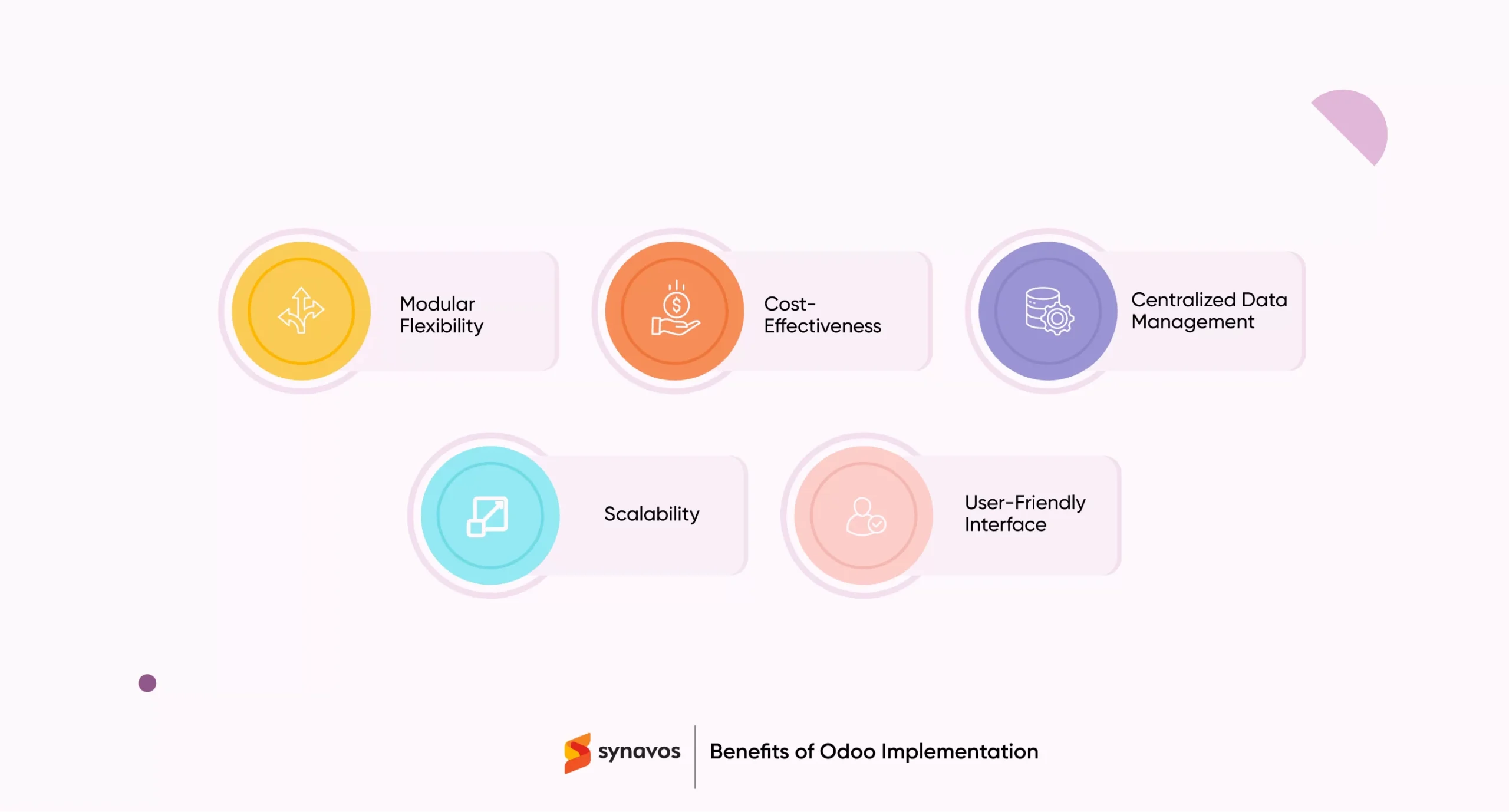
In today’s fast-paced business environment, companies demand software solutions that are not only robust but also tailored to their specific workflows. Off-the-shelf software often falls short when addressing unique business processes, making customization a critical factor for success. This is particularly true for Odoo Implementation, where the flexibility of the platform can be leveraged to create a seamless and efficient enterprise solution.
Odoo diegimo ir programavimo paslaugos. Konsultavimas ir kompleksiniais sprendimai verslui. Patikimas Odoo Partneris, tarptautinė patirtis, patenkinti klientai. Businesses looking for a scalable and adaptable ERP system find Odoo attractive because it offers a modular approach combined with an open-source framework. However, to unlock its full potential, careful customization is essential.
Understanding the Importance of Customization in Odoo Implementation
Every business operates differently, with distinct processes, reporting requirements, and operational goals. Standard ERP modules often provide a broad framework, but they cannot account for every unique scenario. Customization ensures that the software aligns with a company’s workflows, reducing manual intervention and errors while enhancing efficiency. In the context of Odoo Implementation, customization is not just a feature—it’s a necessity for delivering tangible business benefits.
Customization can range from adjusting existing modules to developing entirely new functionalities. For instance, a manufacturing company may require unique production scheduling rules that are not available in the standard Odoo manufacturing module. By customizing these processes, Odoo becomes a true enabler of productivity rather than a rigid system that forces the business to adapt to software constraints.
Strategic Planning for Successful Customization
Effective Odoo Implementation begins with strategic planning. Before any customization occurs, businesses should conduct a thorough analysis of their current processes and pain points. This involves consulting with stakeholders across departments to identify inefficiencies and opportunities for improvement.
A clear roadmap for customization should prioritize features that bring the most value and ensure alignment with long-term business goals. Over-customization can lead to complexity, higher maintenance costs, and challenges during software upgrades. Therefore, it’s essential to strike a balance between necessary customization and leveraging Odoo’s standard functionalities.
Enhancing User Experience Through Tailored Interfaces
One of the often-overlooked aspects of Odoo Implementation is the user interface. Customization allows businesses to simplify workflows and create dashboards, forms, and reports that are intuitive and relevant to each user’s role. A well-designed interface minimizes training time, reduces errors, and encourages adoption across the organization.
For example, a sales manager may need a dashboard highlighting key performance indicators, pending deals, and customer interactions, while the warehouse team requires a layout optimized for inventory tracking and stock movements. Tailoring these interfaces ensures that users can access critical information quickly and make informed decisions.
Integration with Existing Systems
Many businesses already use specialized tools for accounting, CRM, or e-commerce. Customization in Odoo Implementation ensures seamless integration with these systems, allowing data to flow automatically and reducing duplication. By bridging Odoo with existing platforms, companies can maintain continuity in operations while enjoying the benefits of a centralized ERP system.
This integration also provides a holistic view of business performance, enabling better forecasting, reporting, and decision-making. Custom connectors and automated workflows are examples of customization that can significantly enhance operational efficiency.
Automating Business Processes
One of the most significant advantages of Odoo Implementation is the ability to automate repetitive tasks. Customization plays a crucial role in this by creating workflows that mirror the company’s specific processes.
For instance, automated approval routes for purchase orders, sales quotations, or HR leave requests reduce delays and minimize human error. Custom scripts can trigger notifications, update records, or even initiate complex sequences of tasks without manual intervention. This level of automation not only saves time but also ensures consistency and compliance with internal policies.
Scalability and Future-Proofing
As businesses grow, their requirements evolve. Customization in Odoo Implementation should be designed with scalability in mind. Modular and well-documented customizations allow companies to expand functionalities without disrupting existing operations.
A scalable system ensures that new departments, products, or services can be integrated smoothly. Additionally, careful customization preserves the ability to upgrade to newer versions of Odoo without losing critical functionalities, ensuring the ERP system remains relevant and efficient over time.
Leveraging Expert Odoo Partners
While Odoo is highly versatile, effective customization requires expertise. Collaborating with a trusted Odoo Partner brings valuable insights into best practices, potential pitfalls, and optimization strategies. Odoo diegimo ir programavimo paslaugos. Konsultavimas ir kompleksiniais sprendimai verslui. Patikimas Odoo Partneris, tarptautinė patirtis, patenkinti klientai. Experienced partners not only implement and customize the system but also provide training, support, and guidance for continuous improvement.
Choosing the right partner ensures that customization is aligned with business objectives and that the implementation delivers measurable ROI. It also reduces the risk of over-complicating the system or creating customizations that are difficult to maintain.
Measuring the Impact of Customization
After implementation, it’s crucial to evaluate the impact of customization on business performance. Key performance indicators (KPIs) such as time saved, error reduction, and improved reporting accuracy help assess the effectiveness of the customized system. Continuous monitoring allows for iterative improvements, ensuring that Odoo Implementation continues to meet evolving business needs.
Feedback from end-users is equally important. Gathering insights on usability, efficiency, and pain points helps refine workflows and make targeted adjustments. This iterative approach ensures that customization remains aligned with real-world usage and maximizes the value of the ERP investment.
Conclusion: Customization as the Key to Odoo Success
Customization is not merely a technical option in Odoo Implementation—it is a strategic necessity. By tailoring the system to unique business processes, companies can enhance efficiency, improve user experience, and ensure seamless integration with existing tools. Strategic planning, careful design, expert collaboration, and continuous monitoring form the pillars of a successful customized Odoo deployment.
For businesses seeking a reliable and experienced partner, Odoo diegimo ir programavimo paslaugos. Konsultavimas ir kompleksiniais sprendimai verslui. Patikimas Odoo Partneris, tarptautinė patirtis, patenkinti klientai. This combination of technical expertise and practical experience ensures that Odoo Implementation becomes a catalyst for growth, innovation, and operational excellence.
In the ever-evolving digital landscape, companies that invest in thoughtful and strategic customization gain a competitive edge. With Odoo Implementation tailored to their exact needs, businesses can transform challenges into opportunities, streamline operations, and build a foundation for sustained success.