
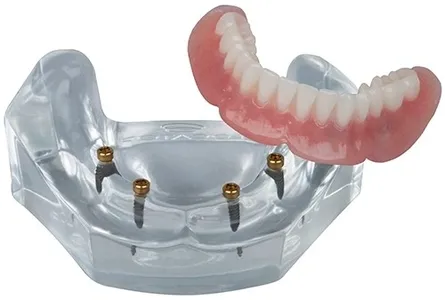
The journey to restoring a full, confident smile with complete dentures is a significant one, offering a renewed ability to eat, speak, and socialize without hesitation. If you are exploring this option in Calgary, Alberta, understanding the process is the first step toward a successful outcome. This detailed guide outlines the complete denture treatment journey, from the initial consultation to the final fitting and beyond, ensuring you are well-prepared for what lies ahead. This comprehensive process is a hallmark of quality prosthetic care in the https://albertadentures.com/service/complete-dentures-in-calgary field.
The Foundation: Initial Consultation and Diagnosis
Your treatment journey begins with a thorough and personalized consultation. This critical first step sets the stage for the entire process, ensuring the dentures created are precisely right for your unique oral structure and lifestyle needs.
Comprehensive Oral Examination
The denturist or prosthodontist will conduct a detailed examination of your mouth, jawbone, and existing gum tissues. This includes assessing the shape and size of the residual ridges (the parts of your jaw that once held teeth) and checking for any underlying issues, such as infections or areas that may need minor surgical preparation before denture placement. They will also discuss your medical history, as certain conditions can affect healing and the long-term success of your dentures.
Discussion of Your Needs and Expectations
This is the time to openly discuss your goals. Are you primarily concerned with function (chewing ability) or aesthetics (the natural appearance of the teeth)? The practitioner will explain the different types of complete dentures available, such as conventional, immediate, and implant-supported dentures, and recommend the best option based on your clinical needs and preferences. Setting realistic expectations regarding adaptation time, maintenance, and the changes in sensation is crucial for patient satisfaction.
Phase Two: Impressions and Custom Tray Fabrication
Accuracy is paramount in creating comfortable and functional dentures. This phase is dedicated to capturing the precise dimensions and contours of your mouth.
Primary Impressions
Initial impressions, often called preliminary or primary impressions, are taken using a stock tray and a standard impression material. These provide a basic, rough mold of your mouth. This initial mold is then used by the laboratory to create a custom-fitted impression tray, which is far more precise than a standard off-the-shelf tray.
Detailed Master Impressions
The custom tray is used for the master impressions. This step is incredibly detailed and technique-sensitive, as it captures the fine anatomical landmarks of your gums and surrounding tissues. The practitioner will often use a technique called “border molding” to shape the edges of the impression material. This process ensures the denture’s borders will closely follow the movement of your cheek and tongue muscles, which is essential for maximizing retention and comfort. This meticulous attention to detail is what defines high-quality albertadentures.
Phase Three: Jaw Relation Records and Wax Try-In
With the master casts (the stone models created from the impressions) complete, the focus shifts to defining how the upper and lower jaws relate to each other. This determines the bite, or occlusion, of the new dentures.
Determining the Vertical and Horizontal Relationship
Specialized recording bases and wax rims are fabricated to fit onto the master casts. The denturist uses these to establish the correct vertical dimension of occlusion (the height of your bite) and the horizontal jaw relationship (how your lower jaw positions itself relative to your upper jaw). These measurements are critical for proper facial support, aesthetics, and comfortable chewing. Without an accurate jaw relation record, the dentures may feel awkward, cause speech difficulties, or lead to jaw joint discomfort.
The Esthetic and Phonetic Try-In
The laboratory will set the chosen prosthetic teeth into the wax base based on the established jaw relationship. This wax set-up, or ‘wax try-in,’ is brought back for a critical appointment. This is your chance to see exactly what the final dentures will look like. The practitioner will assess the appearance—including tooth shade, size, and arrangement—and check how the teeth function during speech (phonetics). You should be vocal during this appointment: if the teeth are too long, too short, or if the colour isn’t quite right, adjustments can easily be made in the wax before the dentures are processed into hard acrylic.
Phase Four: Processing and Final Insertion
Once the wax try-in is approved by both you and the practitioner, the dentures are ready for the final processing stage.
Laboratory Processing
The approved wax model is sent back to the dental laboratory. Through a process involving flasking, boiling out the wax, and injecting the acrylic base material, the temporary wax is replaced by durable, pink, and tooth-colored acrylic resin. The acrylic is cured under heat and pressure to achieve maximum strength. The laboratory then carefully trims, shapes, and polishes the finished dentures.
The Insertion Appointment
The final insertion appointment is an exciting milestone. The denturist will place the completed dentures into your mouth. They will meticulously check for fit, stability, and proper occlusion. It is very common for minor adjustments to be necessary at this stage. High spots on the chewing surface or areas where the acrylic is pressing too firmly on the gums will be relieved and polished until the fit is as accurate and comfortable as possible. This fine-tuning process is a standard part of delivering quality albertadentures.
Life with Your New Dentures: Post-Treatment Care and Adjustments
Receiving your new dentures is the start of a new phase, requiring patience and follow-up care.
The Adaptation Period
Expect an adjustment period. New dentures, even the best-fitting ones, will initially feel like foreign objects. It takes time for the tongue, cheeks, and underlying tissues to adapt. Eating may feel awkward, and speaking may require practice. The gums will naturally experience some soreness or “sore spots” as they get used to the pressure of the new prosthetics.
Follow-Up Adjustments and Maintenance
It is essential to attend all scheduled follow-up appointments. Sore spots are very common in the first few weeks and are easily relieved by the practitioner. Never attempt to adjust your dentures at home, as this can damage the appliance and irritate your gums. Regular cleaning and proper maintenance are key to the longevity of your dentures and the health of your oral tissues. Even with the highest-quality care in Calgary, your jaw ridges will gradually change over time, necessitating periodic relines, typically every one to two years, and eventually replacement. Your journey to a renewed smile is a partnership between you and your dental professional.