
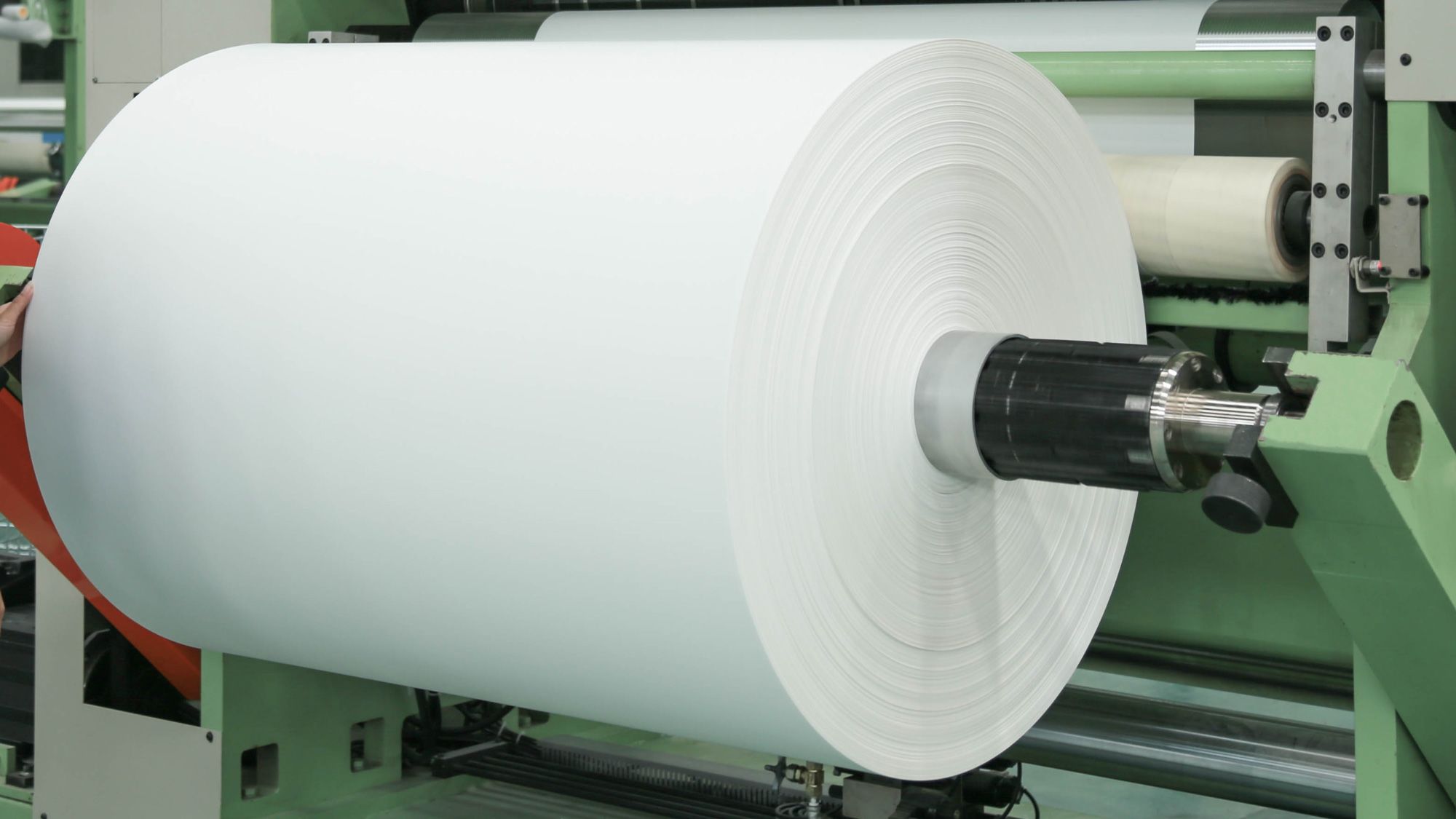
Introduction to China Stone Paper
In recent years, china stone paper has emerged as a revolutionary alternative to traditional wood-based paper. As environmental concerns continue to grow, industries are increasingly seeking sustainable solutions that reduce deforestation and minimize pollution. Stone paper, made primarily from calcium carbonate and a small amount of non-toxic resin, offers a compelling answer to these demands. Unlike conventional paper, which relies heavily on wood pulp and water-intensive processes, stone paper production requires no trees, minimal water, and generates fewer pollutants. This innovation is not only transforming the paper industry but also influencing packaging, stationery, and other eco-friendly product markets worldwide.
How China Stone Paper is Made
China stone paper is produced using finely ground calcium carbonate, often derived from limestone, combined with high-density polyethylene (HDPE) resin. The manufacturing process involves mixing the calcium carbonate with the resin, heating it to form a malleable compound, and then extruding it into thin sheets. This method eliminates the need for pulping, bleaching, and water-intensive production processes commonly associated with traditional paper. The result is a durable, water-resistant, and smooth paper that can be printed on and cut just like conventional paper.
One of the key advantages of china stone paper is its reduced environmental footprint. By avoiding tree harvesting, the production of stone paper helps preserve natural forests and their biodiversity. Additionally, the manufacturing process produces fewer greenhouse gas emissions compared to traditional paper-making, making it an attractive option for eco-conscious businesses and consumers.
Environmental Benefits of China Stone Paper
Deforestation Prevention
One of the most significant benefits of china stone paper is its contribution to forest conservation. Traditional paper production relies heavily on wood pulp, which often comes from logging operations that can lead to deforestation and habitat destruction. By replacing wood with calcium carbonate, stone paper helps reduce pressure on forests and promotes sustainable resource use.
Water Conservation
Traditional paper manufacturing consumes enormous amounts of water. The pulping, bleaching, and finishing processes require thousands of liters of water for each ton of paper produced. In contrast, china stone paper production is nearly water-free, offering a substantial advantage in regions facing water scarcity.
Chemical Reduction
The production of conventional paper often involves harmful chemicals like chlorine for bleaching, which can contaminate water sources and harm aquatic life. Stone paper production avoids these chemicals entirely, relying on non-toxic HDPE resin. This makes china stone paper safer for both workers and the environment.
Durability and Longevity
China stone paper is highly resistant to tearing, water, and grease, which increases the lifespan of products made from it. Longer-lasting products reduce the need for frequent replacements, indirectly conserving resources and reducing waste in landfills.
Applications of China Stone Paper
Stationery Products
Stone paper is increasingly used in the production of notebooks, journals, planners, and writing paper. Its smooth, ink-friendly surface enhances writing and printing experiences, making it a popular choice among students, artists, and office professionals. Notebooks made from china stone paper are durable, water-resistant, and ideal for outdoor or travel use, where conventional paper might easily tear or get damaged.
Packaging Materials
The packaging industry is one of the largest adopters of china stone paper. Companies are seeking alternatives to plastic and cardboard that are environmentally friendly but still durable. Stone paper can be used for shopping bags, gift wraps, labels, and packaging boxes. Its strength, water resistance, and printability make it an ideal material for products that require both functionality and sustainability.
Promotional and Marketing Materials
Businesses focused on eco-friendly branding are increasingly turning to china stone paper for brochures, flyers, and business cards. Its unique texture and durability offer a premium feel while sending a strong environmental message to clients and customers.
Art and Printing
Artists and designers are also exploring the potential of stone paper. Its smooth surface allows for high-quality printing and drawing with pencils, ink, and markers. Unlike traditional paper, china stone paper is resistant to smudging and water damage, making it suitable for outdoor projects, signage, and long-lasting artwork.
Industrial and Specialty Uses
Beyond stationery and packaging, stone paper is also finding applications in specialty industries. For example, it is used in waterproof maps, wall coverings, and decorative materials. Its water resistance, tear resistance, and environmentally friendly profile make it ideal for products exposed to harsh conditions.
Economic Impacts of China Stone Paper
The rise of china stone paper has significant economic implications. For manufacturers, the ability to produce paper without relying on wood reduces raw material costs and supply chain vulnerabilities. For consumers, the availability of eco-friendly alternatives promotes more sustainable purchasing habits. Additionally, the global market for stone paper is expanding rapidly, creating opportunities for businesses in production, distribution, and retail.
China has become a global leader in stone paper manufacturing, exporting products to countries across Europe, North America, and Asia. This growth has positioned china stone paper as a key player in the global shift toward sustainable materials and circular economy practices.
Challenges and Considerations
Despite its numerous benefits, china stone paper also faces some challenges. One of the main concerns is recycling. Unlike traditional paper, which can be easily recycled into new paper products, stone paper requires specialized recycling methods due to the presence of HDPE resin. However, stone paper can be incinerated to recover energy, and its non-toxic composition ensures minimal environmental harm if disposed of improperly.
Cost is another factor to consider. Currently, stone paper tends to be more expensive than conventional paper, which can limit adoption in price-sensitive markets. However, as production scales and technology advances, costs are expected to decrease, making china stone paper more accessible to a wider audience.
Future Prospects
The future of china stone paper looks promising. With increasing global awareness of environmental issues and the push for sustainable products, demand for stone paper is expected to grow. Innovations in production, recycling, and material performance are likely to expand its applications even further.
Researchers are also exploring ways to enhance the eco-friendly profile of stone paper by using biodegradable resins and improving end-of-life recycling methods. These advancements could position china stone paper as not just an alternative to traditional paper, but a superior choice for environmentally conscious consumers and industries.
Conclusion
China stone paper represents a significant advancement in sustainable material technology. Its environmental benefits, including reduced deforestation, water conservation, and chemical-free production, make it a compelling alternative to traditional paper. Its versatility allows it to be used in stationery, packaging, art, marketing, and industrial applications. While challenges like recycling and cost remain, the growing demand for eco-friendly products and ongoing innovations suggest a bright future for stone paper. By embracing china stone paper, businesses and consumers alike can contribute to a more sustainable and environmentally responsible world.