
Selecting the right structural material is one of the most critical decisions in construction. The choice affects not only the strength and durability of a structure but also its cost, environmental impact, and construction timeline. Among the widely used materials is تیرآهن, a steel beam renowned for its strength and versatility. However, other materials such as concrete, timber, and composite metals are also commonly used. This article explores the differences between تیرآهن and other structural materials, analyzing their characteristics, benefits, limitations, and ideal applications.
Understanding تیرآهن
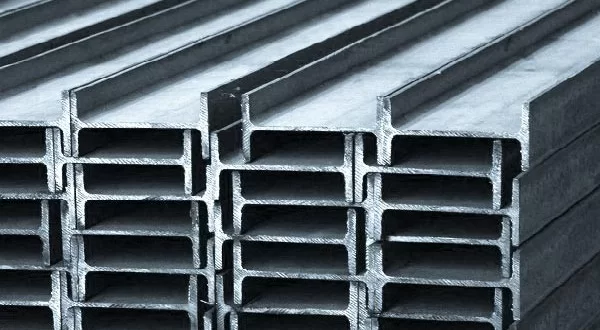
Tirahan, or تیرآهن, is a steel beam often used in structural frameworks for buildings, bridges, and industrial facilities. It is available in different profiles such as I-beams, H-beams, and wide-flange beams. One of the primary advantages of تیرآهن is its exceptional tensile strength, allowing it to bear heavy loads and span large distances without bending or breaking.
Tirahan is also highly versatile. It can be prefabricated in a factory, reducing on-site labor and construction time. Its resistance to pests, rot, and fire makes it more durable than organic materials like wood. Additionally, تیرآهن can be reused or recycled, contributing to sustainable building practices. Its ability to handle both compressive and tensile stresses makes it suitable for high-rise buildings, industrial warehouses, and long-span bridges.
Concrete: Compressive Strength Specialist
Concrete is one of the most widely used construction materials worldwide, primarily due to its high compressive strength and durability. Unlike تیرآهن, concrete is weak in tension, which necessitates reinforcement with steel bars (rebar) to improve its structural performance. Reinforced concrete combines the compressive strength of concrete with the tensile strength of steel, making it suitable for floors, columns, and beams in most structures.
Concrete is fire-resistant and can be molded into a wide range of shapes, providing architectural flexibility. However, it is heavy, which increases the load on foundations, and requires more time to cure. Unlike تیرآهن, concrete is more prone to cracking under dynamic loads or seismic activity if not properly reinforced. Maintenance can also be more challenging, especially in structures exposed to extreme weather conditions.
Timber: Lightweight and Renewable
Timber, or wood, has been a traditional construction material for centuries. It is lightweight, renewable, and provides natural insulation. Timber can be a cost-effective choice for residential buildings, small commercial projects, and temporary structures. Its aesthetic appeal is another advantage, offering warm, natural finishes that are difficult to replicate with steel or concrete.
However, timber has several limitations compared to تیرآهن. It is prone to rot, termite attacks, and fire damage. While engineered wood products like laminated timber or cross-laminated timber (CLT) have improved strength and durability, timber still cannot match the tensile strength and load-bearing capacity of تیرآهن. Its long-term performance also requires regular maintenance and protective treatments, which may increase overall costs.
Composite Metals: Advanced Alternatives
Composite metals combine the benefits of multiple materials, such as steel and aluminum, to create structural elements that are lightweight yet strong. These materials are increasingly used in modern architecture for skyscrapers, bridges, and specialized industrial facilities. Composite metals can offer better corrosion resistance and reduced weight compared to traditional تیرآهن, which can lower transportation and installation costs.
Despite these advantages, composite metals can be more expensive than تیرآهن and may require specialized fabrication techniques. Their use is often limited to projects with higher budgets or unique engineering requirements. For many standard construction projects, تیرآهن remains the more practical and cost-effective option due to its availability, ease of installation, and proven track record.
Cost Comparison
Cost is a critical factor in material selection. تیرآهن, while not the cheapest option, offers a strong balance between price, strength, and durability. Concrete tends to be less expensive in terms of raw material costs, but when factoring in reinforcement, formwork, and labor, expenses can rise significantly. Timber may be affordable initially, but maintenance and longevity concerns can make it less cost-effective over time. Composite metals are generally the most expensive option but are justified in high-performance projects where weight reduction or corrosion resistance is essential.
Sustainability Considerations
Sustainability is increasingly important in construction. تیرآهن can be recycled multiple times without losing its strength, making it an environmentally responsible choice. Concrete production generates significant CO2 emissions, but innovations like low-carbon concrete and recycled aggregates are helping reduce its environmental footprint. Timber is renewable and stores carbon, but deforestation and resource management are critical concerns. Composite metals can also be recycled, but their manufacturing process may be energy-intensive.
Applications in Modern Construction
Tirahan is ideal for high-rise buildings, bridges, industrial warehouses, and large-span structures due to its high tensile strength and flexibility. Concrete excels in foundations, retaining walls, and columns where compressive strength is essential. Timber is preferred for residential buildings, light commercial projects, and architectural finishes where aesthetics and insulation are priorities. Composite metals find their use in specialized projects requiring lightweight, high-strength solutions or corrosion resistance.
Conclusion
Choosing the right structural material requires evaluating multiple factors, including strength, cost, durability, and sustainability. تیرآهن stands out for its tensile strength, versatility, and long-term durability, making it a preferred choice for many large-scale and industrial construction projects. While concrete, timber, and composite metals have their advantages, تیرآهن offers a practical balance of performance, cost-efficiency, and adaptability. Understanding these differences allows engineers, architects, and contractors to select the most appropriate material for each project, ensuring structural integrity and long-term value.